 Zhongshan Horns Metal Processing
How to Replace Wheelie Bin Wheels and Axles
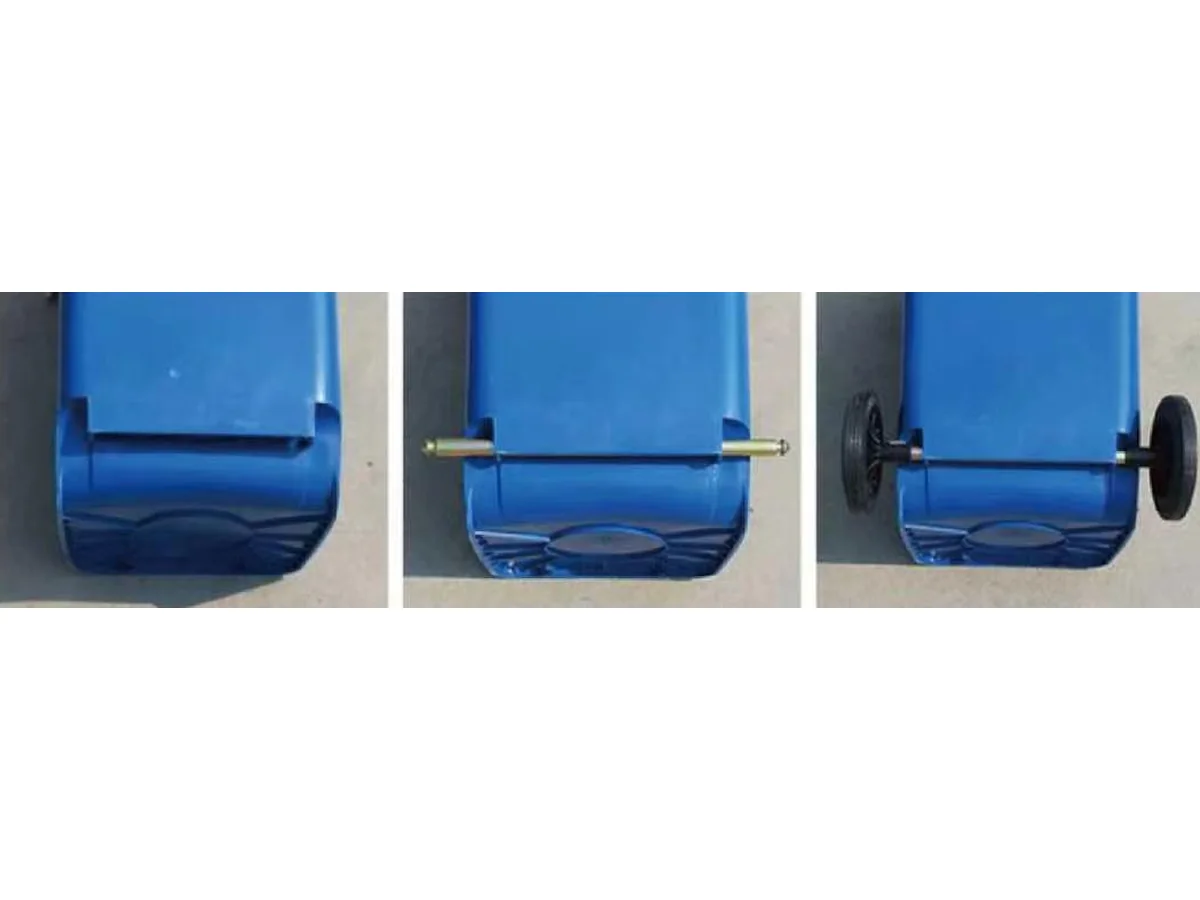
To replace wheelie bin wheels, tip the empty bin onto its lid, prise off the clips on the axle ends and pull the old wheels off. Then check the axle for bends and rust, and swap it if needed. Finally, slide the axle through, push a new wheel onto each end and refit the clips.
Key takeaways
- Most two-wheel bins use 200 mm bin wheels on a 21.5 mm axle, but 19 mm and 22 mm axles also exist, so measure first.
- In most cases a wheel falls off because the axle end is worn, so replace the axle together with the wheels.
- You need only a flat screwdriver, a rubber mallet and a tape measure or calipers.
- For a whole fleet, order bin wheels and axles as matched kits so crews carry one part number.
- In coastal or washdown areas, choose a stainless steel axle instead of zinc-plated steel.
Why Bin Wheels Fail
A wheelie bin rolls to the kerb about once a week, often over steps, gravel and broken paving. So bin wheels take a lot of small knocks over their life. In most cases, though, the wheel itself is not the first part to fail.
Instead, the trouble usually starts at the axle. The steel ends wear, the groove for the clip rusts, and the wheel starts to wobble. After that, it only takes one hard kerb for the wheel to slide off.
Load also matters. For example, Wealden District Council lists a maximum load of 96 kg for a 240 litre bin and 144 kg for a 360 litre bin. That weight sits on just two bin wheels and one axle, so worn parts show up fast.
Weather plays a part too. Rubber treads can crack with age, and plastic hubs can turn brittle in hard frost. Because of this, it pays to check the whole wheel set, not just the part that broke.
Measure Your Bin Wheels Before You Order
Replacement bin wheels only fit if three measurements match your bin. Take them before you remove anything. That way, the bin stays in use until the new parts arrive.
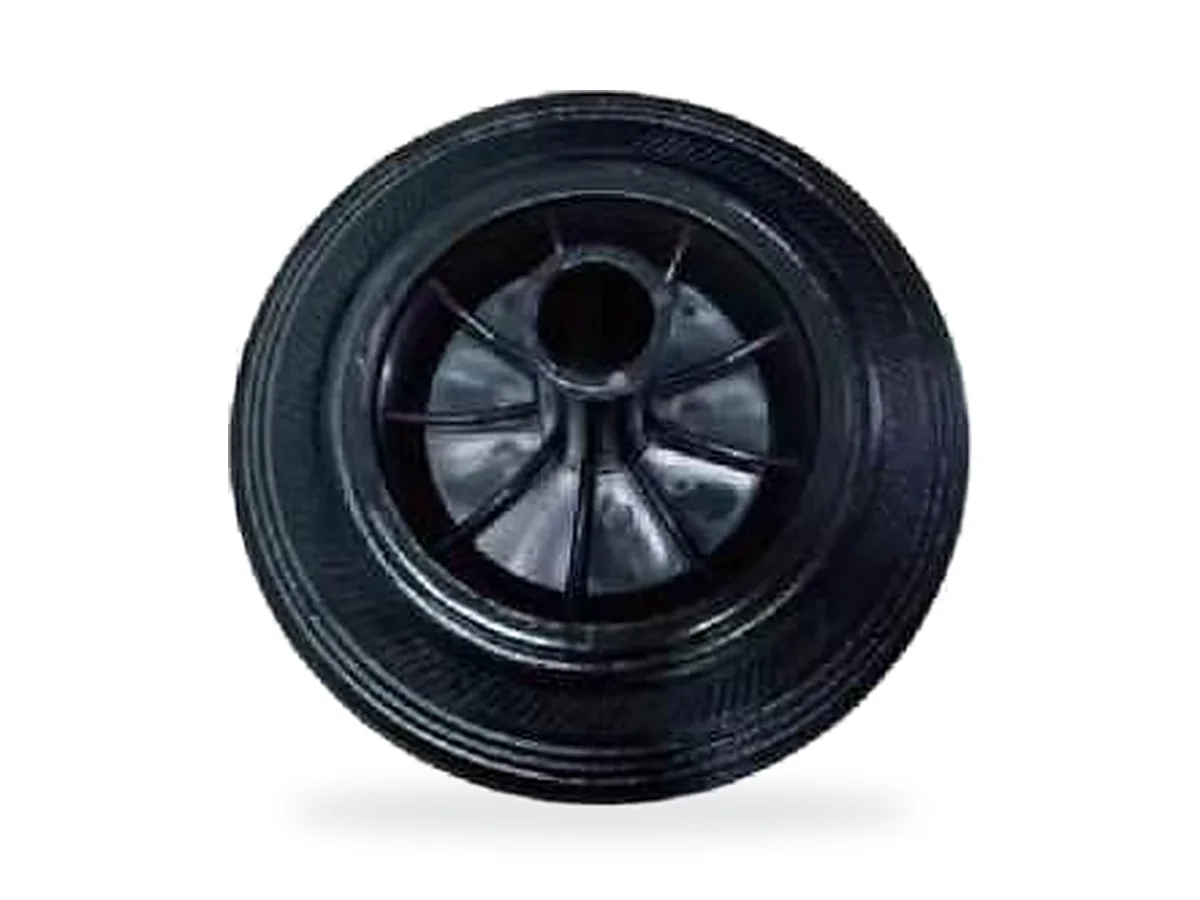
- Wheel diameter: measure across the tread. Most two-wheel bins use 200 mm wheels.
- Axle diameter: measure across the axle with calipers, away from the ends. A 21.5 mm axle is the most common size.
- Axle length: measure end to end, or measure the width of the axle housing and add the width of both hubs.
Council specifications back up the 200 mm figure. For instance, Buckinghamshire Council lists a 200 mm wheel diameter for its 140, 240 and 360 litre bins. Still, Islington Council notes that bin dimensions differ between manufacturers, so always measure your own model.
| Part | Common size | Also used |
|---|---|---|
| Wheel diameter | 200 mm | Check older bins |
| Axle diameter | 21.5 mm | 19 mm, 22 mm |
| Axle length | Cut to the bin | 480 mm, 550 mm |
| Hub | Polypropylene | Steel |
Tools and Parts You Need
The job needs very few tools. Even so, having them ready saves time when you work through a row of bins.
- Two replacement wheels in the right diameter and bore.
- A new axle if the old one is bent, rusty or worn at the ends.
- New retaining clips or caps, since old ones often lose their grip.
- A flat screwdriver to lift the clips or caps.
- A rubber mallet to tap out a seized axle without cracking the bin.
- Gloves, because bin bases are rarely clean.
Also, think about handling. HSE says musculoskeletal disorders make up roughly a third of injuries in the waste industry, and its waste guidance links most of them to collection work. So empty the bin first, and get help to tip a large bin onto its lid.
Step 1: Remove the Old Bin Wheels
First, empty the bin and tip it forward onto its lid. This brings the axle up to a comfortable working height.
Next, look at the axle ends. Most bins use a push-on clip, a cap, or a wheel that locks onto a groove. Prise off any clip or cap with the screwdriver, then pull each wheel straight off the axle.
If the axle has seized, tap it from one side with the mallet. Work gently, because the plastic housing can crack in cold weather. Then pull the axle out and keep it for the next check.
Check the Axle Next
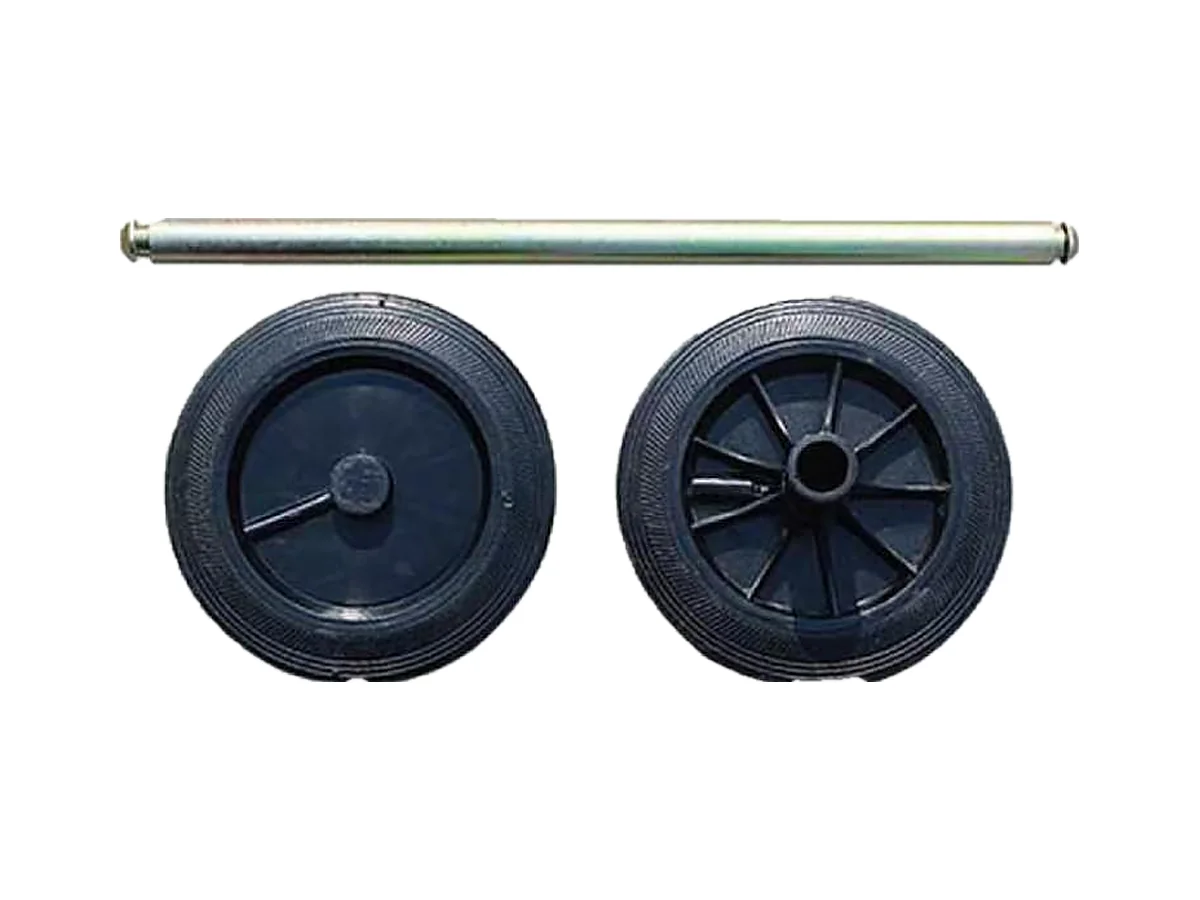
Now roll the axle on a flat floor. If it wobbles or rocks, it has a bend, and new bin wheels will not run true on it.
After that, look closely at both ends. Rust, flat spots or a worn clip groove all mean the wheel can work loose again. In that case, fit a new axle at the same time. It costs far less than a second call-out when a wheel falls off at the kerb.
Rust deserves a closer look too. Our standard axles carry 10 to 60 µm of zinc plating. As the galvanization article explains, zinc protects steel both as a barrier and by corroding first. Once that zinc layer wears through at the ends, though, rust starts quickly. For coastal towns and washdown areas, a stainless steel axle lasts longer.
Fit the Axle and New Bin Wheels
Slide the axle through the housing so that equal lengths stick out on each side. Then push a wheel onto each end until it clicks or seats against the stop.
Next, fit the new clips or caps. Press them fully home, since a half-seated clip is the most common reason new bin wheels come off.
Our standard wheel turns on a plain bearing, which means the hub runs directly on the axle. Plain bearings are simple and cheap and can carry high loads. However, they wear faster when grit gets in, so wipe the axle ends clean before you fit the wheels.
Finally, Test the Bin
Stand the bin up, tilt it back and roll it a few metres. Both wheels should turn freely, without wobbling or rubbing on the bin body.
Then roll it over a kerb or step, since that is where a loose wheel shows up first. If the bin feels hard to move, check the wheels again. HSE's RAPP tool helps employers assess pushing and pulling tasks with wheeled loads like this.
Rubber or Plastic Bin Wheels?
Most bin wheels today pair a solid rubber tread with a polypropylene hub. Each material does a different job.
The tread grips and absorbs bumps. Natural rubber is elastic and highly resilient, which keeps the ride quiet on paving. On the other hand, it can crack when exposed to ozone, so very old tyres often show fine cracks on the sidewall.
The hub carries the load and holds the bearing. Polypropylene repels water and resists most chemicals, so it suits a wet, dirty bin base. That said, PP turns brittle below 0 °C, and sunlight degrades it unless the material contains UV stabilisers.
A steel hub is the other option. It suits buyers who want a metal centre for heavy commercial use. Our guide to castor wheel materials compares these options in more depth.
Bin Wheels for Bin Manufacturers
Bin makers buy wheels in a different way from councils. They need the same part, in the same colour, every week of the year, and they need it to fit a moulded body that already exists.
So the first step is a drawing or a sample. We check the bore, the hub width and the clip style against your axle, then confirm the specification before production starts.
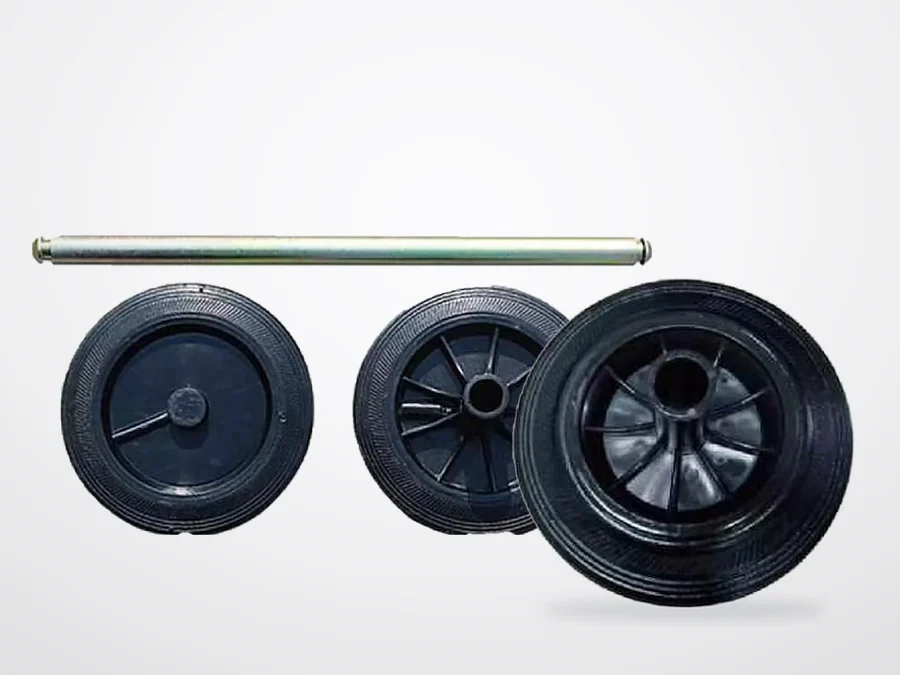
Next comes the supply format. Some factories want loose wheels on pallets, while others prefer wheel-and-axle kits that drop straight onto the assembly line. Either way, a fixed specification keeps your line running without surprises.
Finally, think about branding. A custom hub colour helps a council or a contractor spot its own containers at a depot. It also makes stock control easier, since a single glance shows which wheel belongs to which bin model.
Store Spare Parts the Right Way
Spare wheels often sit in a depot for months before anyone fits them. That time can shorten their life if you store them badly.
Keep spares indoors, out of direct sun and away from frost where you can. Rubber treads age faster in sunlight, and cold plastic cracks more easily when you knock it.
Also, keep axles dry and in their packaging. Bare steel ends pick up rust in a damp shed, and a rusty end will not hold a clip.
Lastly, rotate your stock. Use the oldest spares first, and label each box with the bin model it fits. As a result, crews grab the right part the first time and avoid a second trip.
Plan Repairs Around Collection Day
Timing makes a repair easier for everyone. A full bin is heavy and dirty, so the best moment to work on it is just after the crew has emptied it.
For a household, that means the evening of collection day. For a contractor, it often means a repair round that follows the collection round a few streets behind.
Before you start, also check the ground. A flat, dry surface keeps the bin steady while it lies on its lid, and it stops parts from rolling away.
Then keep a short record for each repair. Note the bin model, the parts you used and the date. Over a year, those notes show which streets, sites or bin models need the most attention, and they help you order the right number of spares.
Common Problems and Fixes
Most faults point back to the axle rather than the bin wheels themselves. Use this list to find the cause quickly.
- Wobbling wheel: the axle has a bend, so replace it.
- Wheel slides off: the groove or clip has worn, so fit a new axle and clips.
- Stiff or squeaky hub: grit has packed into the bore, so clean it or replace the wheel.
- Cracked tread: the rubber has aged, so change both wheels as a pair.
- Fast rust on the axle: in coastal or washdown areas, use a stainless steel axle instead.
Also check the bin body. A cracked axle housing lets the axle move, and no wheel will fix that. In that case, the bin itself needs replacing. Our bin maintenance checklist covers these body checks.
Replacing Bin Wheels Across a Fleet
Councils and waste contractors rarely fix one bin at a time. Instead, they plan repairs across thousands of bins, so the part list matters as much as the method.
First, standardise. Most crews carry a wheel-and-axle kit with one part number, plus spare clips. That keeps vans simple and avoids the wrong axle on the wrong bin.
Second, stick to the standard. Bins built to EN 840-1 share key dimensions for two-wheel containers up to 400 litres. In addition, EN 840-5 sets the performance tests and EN 840-6 covers safety and health. The UK edition, BS EN 840-1:2020, follows the same text.
Third, match the axle type to the job. Our axle size guide explains solid, semi-hollow and hollow axles, while the wheelie bin wheels range lists every wheel we make.
Key Terms Explained
- Axle housing
- A moulded channel under the bin body that the steel axle slides through.
- Retaining clip or cap
- This small part sits in a groove on the axle end and stops the wheel from sliding off.
- Hub
- The centre of the wheel. Ours are polypropylene (PP) or steel, with a solid rubber tread around them.
- Plain bearing
- A bore with no balls or rollers, so the hub turns directly on the axle. It is simple and cheap but needs to stay clean.
- EN 840-1
- The European standard for the dimensions and design of two-wheel waste containers up to 400 litres.
Bin Wheels: Questions and Answers
How do you remove wheelie bin wheels?
First tip the empty bin onto its lid. Then prise off the clips or caps on the axle ends and pull the wheels off. If the axle has seized, tap it out from one side with a rubber mallet.
Why do bin wheels fall off?
Usually the axle end is worn or rusty, so the clip cannot lock the wheel in place. A new wheel on an old axle often comes off again, so replace both.
What size are bin wheels?
Most two-wheel bins use 200 mm wheels on a 21.5 mm axle. However, some models use 19 mm or 22 mm axles, so measure across the axle before you order.
Can I replace just one of the bin wheels?
Yes, if the axle is straight and the other wheel still turns freely. Still, crews often change both at once because the second wheel has the same wear.
Sources
- Wikipedia: Natural rubber, encyclopedia article
- Wikipedia: Polypropylene, encyclopedia article
- NSAI Standards: EN 840-5, performance requirements and test methods
- Wikipedia: Plain bearing, encyclopedia article
- HSE: Risk assessment of pushing and pulling (RAPP) tool, INDG478
- iTeh Standards: EN 840-1:2020, 2-wheel containers up to 400 l
- DIN Media: BS EN 840-1:2020, UK edition
- NSAI Standards: BS EN 840-6, safety and health requirements
- Buckinghamshire Council: Bin specification, Appendix A
- Wealden District Council: Bin sizes and maximum loads
- Islington Council: Wheelie bins guide
- HSE: Musculoskeletal disorders in waste management
- Wikipedia: Galvanization, encyclopedia article
Product sizes are typical; we confirm each order against your drawing or sample. Our editorial standards explain how we check facts and fix mistakes.