Zinc Plating vs Stainless Steel for Bin Axles and Castors
Zinc plating suits most bin axles, castor housings and bolts, because it protects low-carbon steel at a low cost. Choose stainless steel instead for coastal towns, food waste and washdown areas, where salt and cleaning water wear zinc away faster. Always state the plating standard and the passivation type on your order.
Key takeaways
- Zinc plating protects steel as a barrier and as a sacrificial layer that corrodes first.
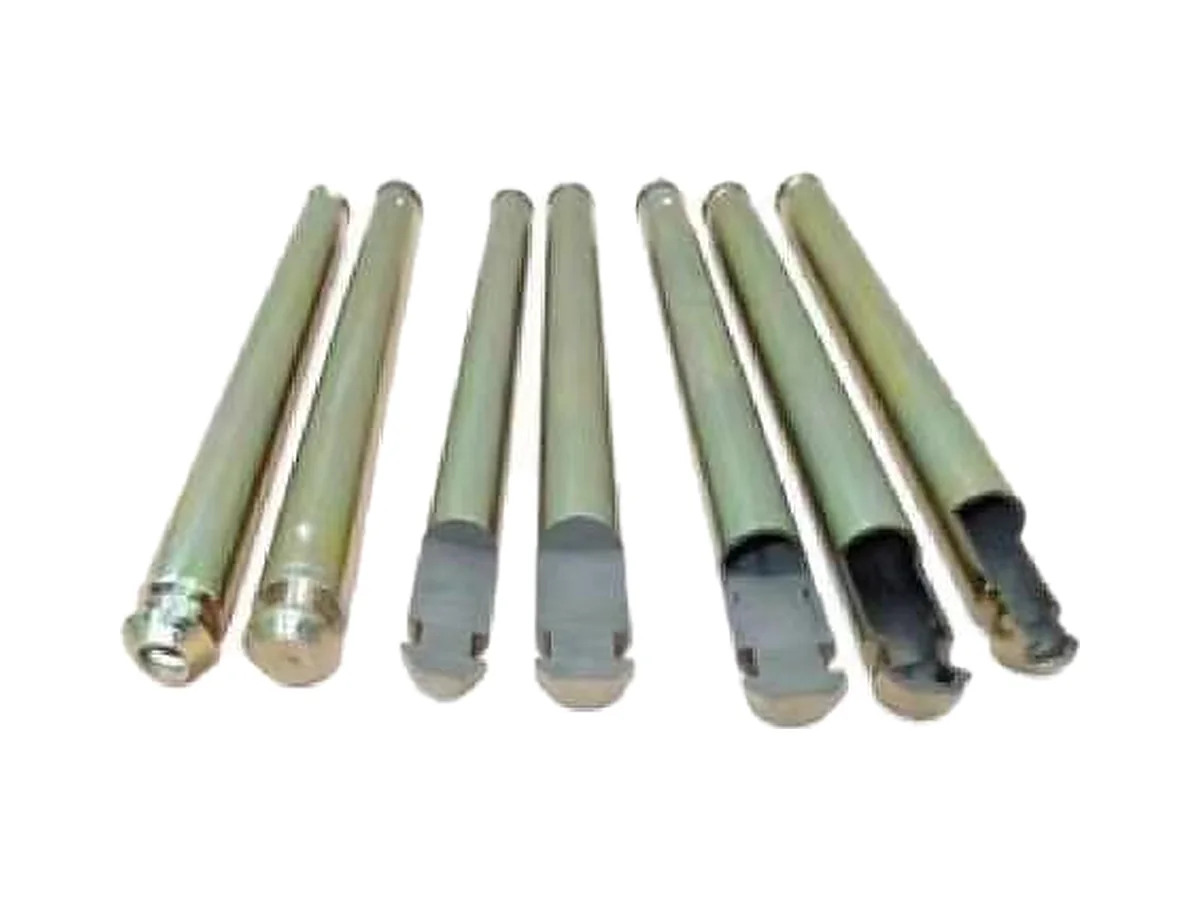
- Our standard axles carry 10 to 60 µm of zinc, and castor housings come in bright or yellow zinc.
- Name the standard on your order: ISO 19598 for Cr(VI)-free treatments, ISO 2081 for treatments containing Cr(VI).
- Salt spray hours help find coating defects, but ISO 9227 says they do not predict long-term life.
- Stainless steel costs more but forms a self-repairing oxide film, so it lasts longer near the sea.
Why Bin Hardware Needs Protection
Bin hardware lives a hard life outdoors. Rain, road salt, food waste and pressure washing all attack bare steel, and a rusty axle soon stops holding its wheels.
So almost every steel part on a bin carries a finish. In practice, that means zinc plating on most axles, castor housings and bolts, and stainless steel where conditions get tougher.
Both options work well when you match them to the site. The trouble starts when buyers choose on price alone, or when an order leaves the finish vague.
1. How Zinc Plating Protects Steel
Zinc protects steel in two ways. According to the galvanization article, an intact zinc layer forms a barrier that keeps water and oxygen away from the iron.
In addition, zinc is more reactive than iron. So it corrodes first and protects any small areas of bare steel nearby, even where the coating has scratches.
That second effect explains why zinc plating works so well on bin parts. A kerb scrape on an axle end does not start rust straight away, because the zinc around it keeps working.
However, the protection lasts only as long as the zinc does. Once the layer wears through, rust spreads quickly, so thickness matters.
2. Zinc Plating Thickness Decides the Lifespan
Our standard axles carry 10 to 60 µm of zinc plating. That range covers light indoor use at the thin end and tough outdoor use at the thick end.
So state a minimum thickness on your order rather than just writing zinc plated. A thicker coating costs a little more, yet it acts as cheap insurance for bins that stand by the kerb all year.
Electroplating also gives tight control of the final size. That matters for an axle, because the wheel bore has to fit it closely. By contrast, hot-dip galvanizing under ISO 1461 builds a much thicker zinc-iron layer, which suits structural steel better than a precision shaft.
| Finish | Typical use | Main trade-off |
|---|---|---|
| Bright zinc plating | Axles, castor housings | Low cost, thinner layer |
| Yellow zinc | Castors, directional locks | Same zinc, different passivation |
| Hot-dip galvanizing | Structural steel | Thick, less precise |
| Stainless steel | Coastal and washdown sites | Higher cost, no coating |
3. Passivation on Zinc Plating and Cr(VI)
Most platers add a passivation layer on top of the zinc. As the chromate conversion coating article explains, this layer protects the zinc from white corrosion, a little like a coat of paint.
Colours range from clear and blue through yellow and gold to olive and black. In general, darker coatings resist corrosion better.
However, many older passivation layers used hexavalent chromium, or Cr(VI). Because Cr(VI) causes cancer, European rules such as RoHS and REACH push manufacturers to eliminate it.
The ISO standards now reflect that split. ISO 19598 covers zinc plating with Cr(VI)-free treatment, including minimum thickness and corrosion resistance. Meanwhile, the 2025 edition of ISO 2081 covers zinc treated with solutions containing Cr(VI). So name the standard you want, and ask the supplier to confirm it in writing.
4. Salt Spray Hours Are Not Lifetimes
Buyers often ask for a salt spray result, such as 96 or 500 hours. That number has real value, but it does not mean what many people think.
ISO 9227 describes the neutral salt spray test and two acetic acid versions. It says these tests are particularly useful for finding pores and other defects in coatings.
Even so, the same standard warns against two common uses. It says the methods are not meant for ranking different materials, and not meant for predicting long-term corrosion resistance.
So treat a salt spray result as a quality check on the plating batch, not as a promise of years in service. For real-world life, look at the zinc thickness, the passivation type and the site conditions together.
5. Stainless Steel Wins Where Zinc Plating Struggles
Stainless steel needs no coating at all. According to the stainless steel article, it contains at least about 10.5 percent chromium, which forms a thin oxide film that repairs itself when scratched.
That self-repair is the key advantage. A deep scratch on a zinc-plated axle exposes steel, while a scratch on stainless steel simply forms a new film.
So we recommend stainless axles for coastal towns, food waste and washdown areas. In those places, salt and frequent washing strip zinc plating faster than on a normal street.
Grade matters too. The same article notes that molybdenum improves pitting resistance, which is why marine buyers often ask for grades that contain it. Ask your supplier which grade they use and request the inspection papers.
Zinc Plating on Each Part of a Bin
Different parts need different levels of protection. Use this list as a starting point for your specification.
- Axles: zinc plating at 10 to 60 µm for most bins, or stainless steel for harsh sites.
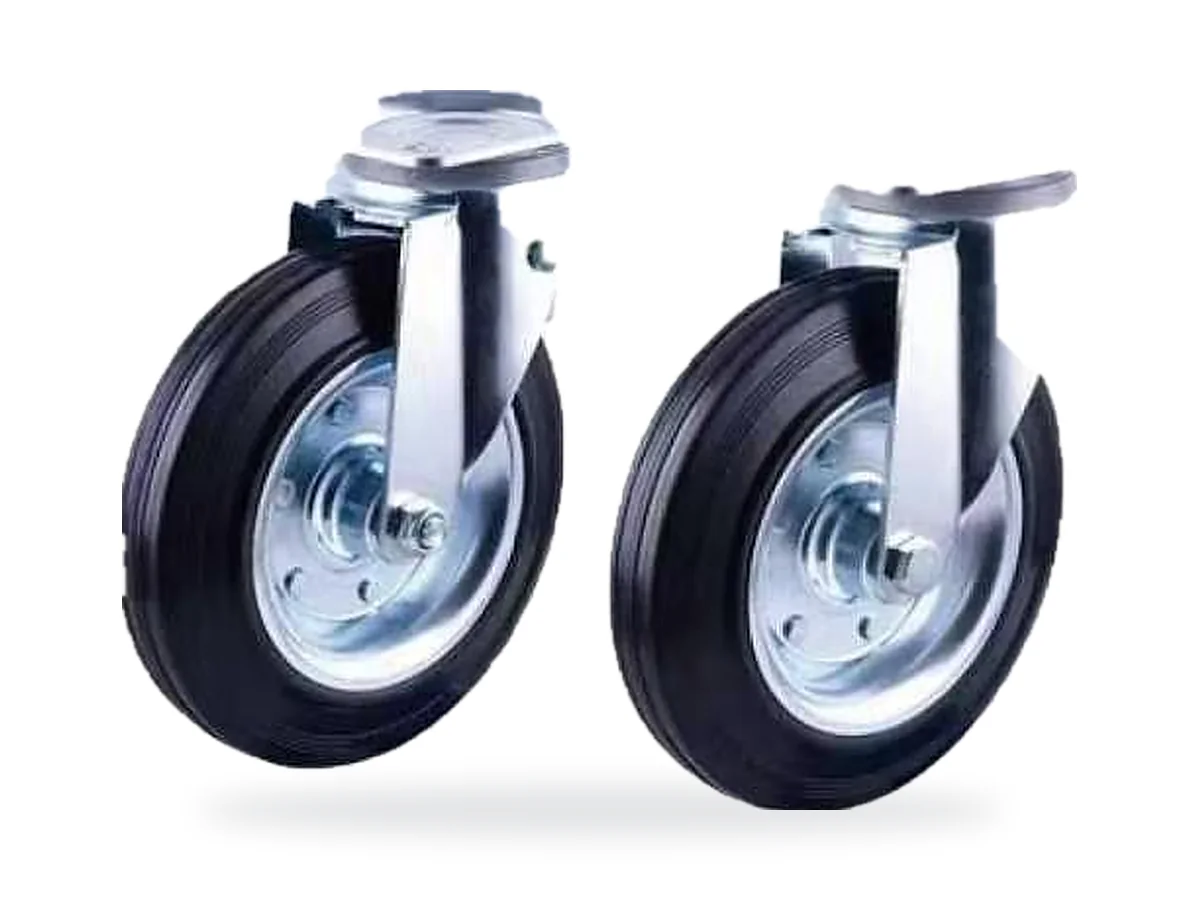
- Castor housings come in bright zinc, or yellow zinc on request, over pressed steel.
- Directional locks: our Y-bracket uses a gold zinc finish for use indoors and out.
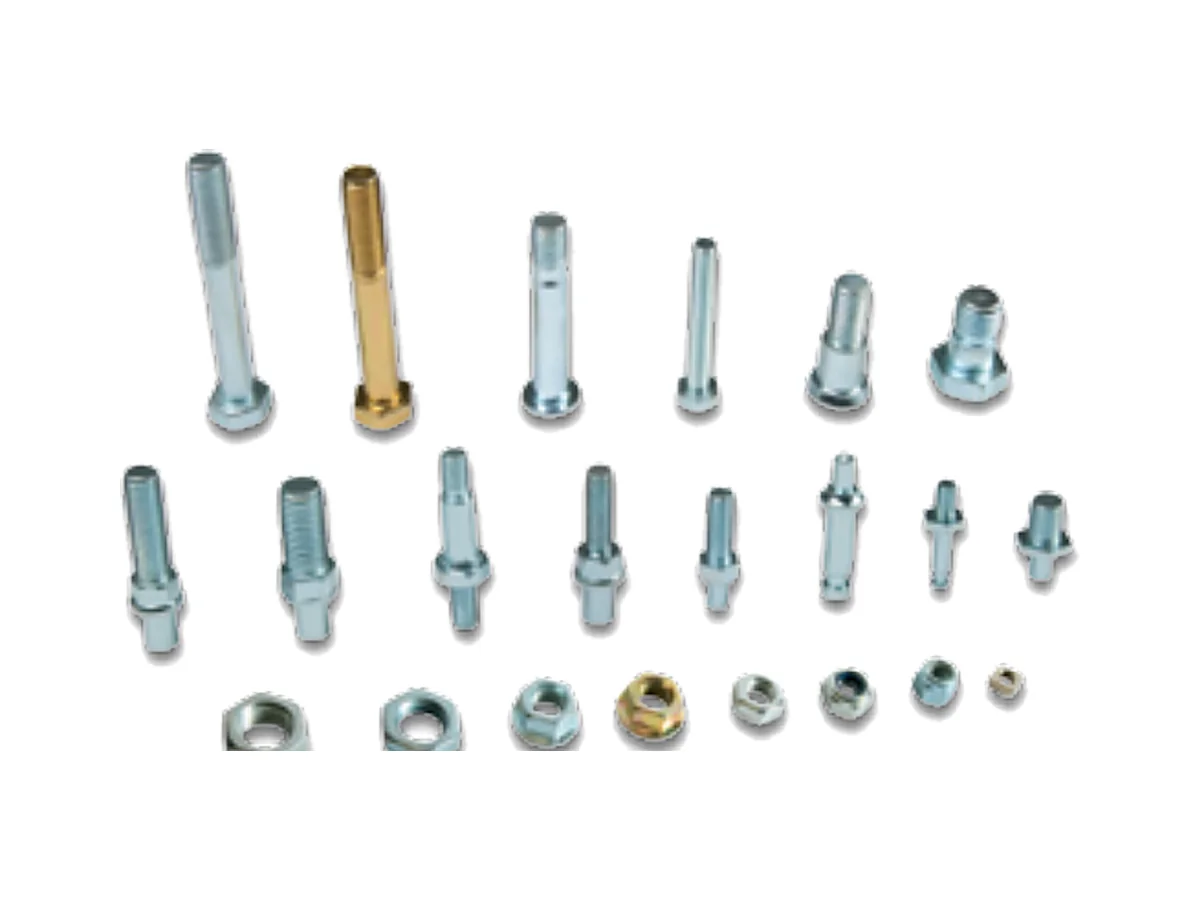
- Bolts, nuts and washers should be galvanised or stainless, with anti-loosening options where vibration is high.
Also, keep finishes consistent on each bin. A stainless axle held by plain steel clips will still rust at the clips, and that rust stains the whole wheel area.
How to Specify a Finish on Your Order
A clear specification prevents most arguments later. Follow these four steps for every steel part.
For the papers, ask for an EN 10204 inspection document. A type 3.1 certificate reports specific test results with approval from an inspector who works independently of production, as this EN 10204 summary explains.
In addition, check the supplier's quality system. A factory that runs ISO 9001 should keep plating records for each batch, which makes problems easier to trace.
Zinc Plating or Stainless by Site
The same zinc plating can last for years on one street and fail in months on another. So describe the site when you order.
Coastal air carries salt, which speeds up corrosion. Food waste and washdown areas add moisture, detergent and organic acids. Gritted winter roads add road salt to the wheels and axles every week.
On the other hand, bins kept in a covered store on a dry estate see far less attack. There, standard zinc plating usually gives a long and economical life.
If a fleet mixes both kinds of site, consider two specifications. Stainless axles for the harsh routes and zinc plating for the rest often costs less than upgrading every bin.
Caring for Zinc Plating in Service
Good care stretches the life of any finish. Fortunately, a zinc finish needs very little attention once the bins are in service.
First, rinse off road salt and food acids during routine washing. Both speed up corrosion, and a quick rinse removes them before they do much harm.
Second, watch for white deposits on axles and housings. They show the zinc working as designed, but heavy build-up means the layer is thinning, so plan replacements for that route.
Third, replace parts once you see red rust. At that stage, the coating has gone in that spot, and the steel underneath now corrodes freely.
Finally, keep spares dry. Plated parts stored in a damp shed can show white marks long before anyone fits them.
Cost Versus Life: Making the Call
Stainless steel parts cost more than zinc-plated ones, so the decision comes down to total cost over the life of the bin.
Start with the site. If the bins work inland, live in covered stores and see normal washing, zinc plating usually gives the lowest total cost.
Next, add up the cost of a failure. A rusted axle means a call-out, a crew visit and an unhappy resident, so a cheap part can turn into an expensive repair.
Then compare the two prices across the expected life. Where salt and washing shorten the life of zinc plating sharply, stainless steel often pays for itself.
If you are unsure, trial both finishes on one route for a season. Real results from your own streets beat any lab number.
Questions to Ask Your Plater
- Which standard does your zinc plating meet, and can you confirm it in writing?
- Is the passivation free of Cr(VI)?
- What minimum zinc thickness do you guarantee, and how do you measure it?
- Can you share salt spray results for recent batches as a quality check?
- How do you protect plated parts during packing and shipping?
A good supplier answers all five without hesitation. If the answers stay vague, ask for samples and test them yourself before placing a large order.
Where Corrosion Starts on a Bin
Rust rarely starts in the middle of a part. Instead, it begins where the coating takes the most wear or where water sits longest.
On axles, that means the ends. Wheels turn against them every day, clips scrape them during fitting, and kerbs knock them sideways.
On castors, the swivel head and the underside of the housing suffer most. Washing water and grit collect there, and they stay damp long after the bin dries.
Bolts and nuts come next. Their threads and edges carry the thinnest coating, so a little rust often shows there first.
Knowing these hot spots helps in two ways. You can check them quickly during services, and you can ask for extra protection exactly where it matters.
Standards for Bins and Their Hardware
The bins themselves follow the EN 840 series. EN 840-1 covers two-wheel containers up to 400 litres, and EN 840-5 sets the performance requirements and test methods.
Those standards focus on the container as a whole. So the finish on each steel part still needs its own line on your purchase order.
Our axle size guide covers diameters and lengths, while the axle range and fastener range list every finish we offer.
Common Finishing Mistakes
- Writing only zinc plated: without a thickness or a standard, the supplier picks the cheapest option.
- Trusting salt spray hours alone, even though the test does not predict service life.
- Mixing metals: stainless axles with plain steel clips still rust at the clips.
- Ignoring the site, which matters because coastal and washdown areas need stainless steel.
Each of these mistakes costs little to avoid at the order stage. Later, though, they cost a repair visit for every bin in the fleet.
Key Terms Explained
- Electroplating
- A process that uses an electric current to deposit a thin, even layer of metal, such as zinc, onto a steel part.
- Passivation
- A conversion layer added on top of zinc plating that slows white corrosion of the zinc.
- Cr(VI)
- Hexavalent chromium, used in older passivation layers. European rules push manufacturers to eliminate it.
- Hot-dip galvanizing
- Dipping a steel part into molten zinc, which builds a much thicker zinc-iron coating than electroplating.
- Salt spray test
- A lab test that exposes coated parts to salt mist to reveal pores and defects in the coating.
Zinc Plating: Questions and Answers
How thick is zinc plating on bin axles?
Our standard axles carry 10 to 60 µm of zinc. Thicker coatings last longer outdoors, so agree the minimum thickness on your order.
Is yellow zinc better than bright zinc?
Not automatically. The colour comes from the passivation layer on top of the zinc, so ask which treatment the plater uses and which standard it meets.
When should I choose stainless steel instead of zinc plating?
Choose stainless for coastal towns, food waste sites and washdown areas. Salt and frequent washing wear zinc away faster there.
Does a 500-hour salt spray result mean 500 hours of life?
No. ISO 9227 states that salt spray methods are not meant for predicting long-term corrosion resistance or for ranking materials against each other.
Sources
- ISO: ISO 2081:2025, electroplated zinc with Cr(VI) treatments
- ISO: ISO 19598:2016, electroplated zinc with Cr(VI)-free treatment
- Wikipedia: Galvanization, encyclopedia article
- ISO: ISO 1461:2022, hot dip galvanized coatings
- ISO: ISO 9227:2022, salt spray tests
- Wikipedia: Chromate conversion coating, encyclopedia article
- Wikipedia: Stainless steel, encyclopedia article
- Wermac: EN 10204 inspection document types
- NSAI Standards: EN 840-5, performance requirements and test methods
- iTeh Standards: EN 840-1:2020, 2-wheel containers up to 400 l
- ISO: ISO 9001:2015, quality management systems
Product figures come from the Plastic MGB catalogue. Our editorial standards explain how we check facts and fix mistakes.