How to Choose a Bin Parts Supplier: A Buyer's Checklist
To choose a bin parts supplier, check that it makes parts to EN 840 bins, confirms every order on a drawing, and supplies samples before mass production. Then ask which finish standards it follows, what inspection papers it provides and which Incoterms rule applies to the price.
Key takeaways
- A good parts supplier confirms each order on a drawing and supplies samples before mass production.
- Ask which EN 840 bins the parts suit, and whether castors and wheels carry EN 840 certification.
- Name the finish standard on the order, such as ISO 19598 for Cr(VI)-free zinc plating.
- Request EN 10204 inspection papers, and check that the factory runs a quality system such as ISO 9001.
- Agree the Incoterms rule, because it decides who pays for freight, insurance and import duties.
Why the Right Parts Supplier Matters
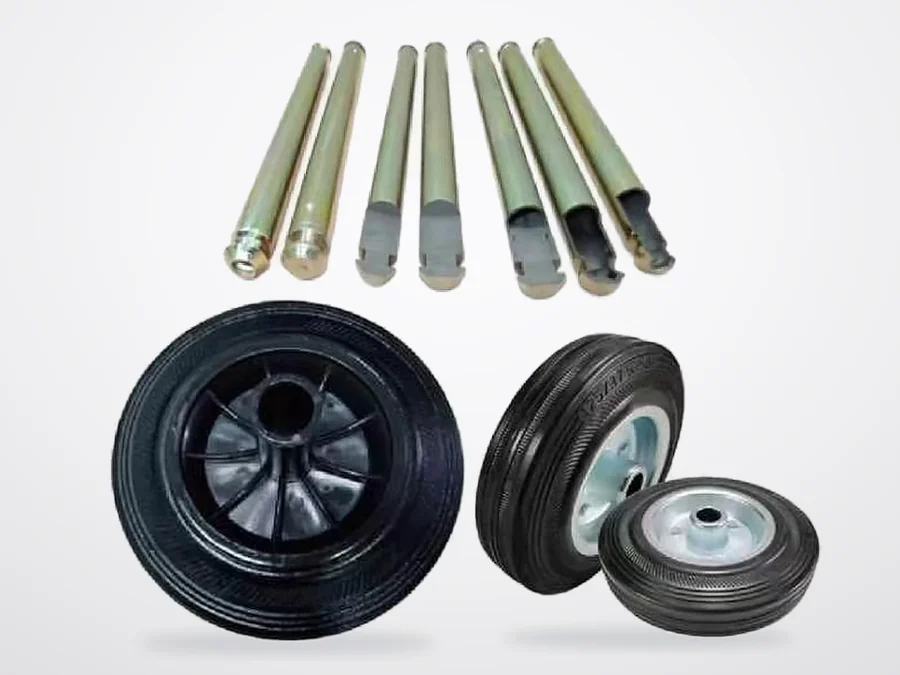
Wheels, axles and castors look like small parts on a big bin. Yet they decide whether the bin rolls, lifts and lasts.
A poor parts supplier causes problems that spread across a whole fleet. For example, an axle a fraction too thin lets wheels wobble, and a weak coating lets thousands of axles rust in the same winter.
On the other hand, a good supplier saves time and money for years. It confirms details up front, ships the same specification every time and fixes problems quickly when they happen.
The nine checks below help you tell the difference before you place a large order.
1. Does the Parts Supplier Know EN 840 Bins?
Most bins in Europe follow the EN 840 series. EN 840-1 covers two-wheel containers up to 400 litres, while other parts cover four-wheel containers.
In addition, EN 840-5 sets performance requirements and test methods, and EN 840-6 covers safety and health. So a supplier that knows these standards understands why a wheel or a castor must fit exactly.
Ask which bin models the parts suit, and whether the castors and wheels carry EN 840 certification. Ours do, and we can share the details on request.
2. Does It Work to Your Drawing?
Every bin model differs slightly. So a reliable parts supplier works to your drawing, or measures your sample, rather than offering only stock sizes.
Look for a clear confirmation step. Before production, the parts supplier should send back the key figures: diameters, lengths, hub type, brake type and finish.
That written confirmation protects both sides. If a dispute arises later, everyone can check the parts against the same agreed document.
3. Will It Supply Samples First?
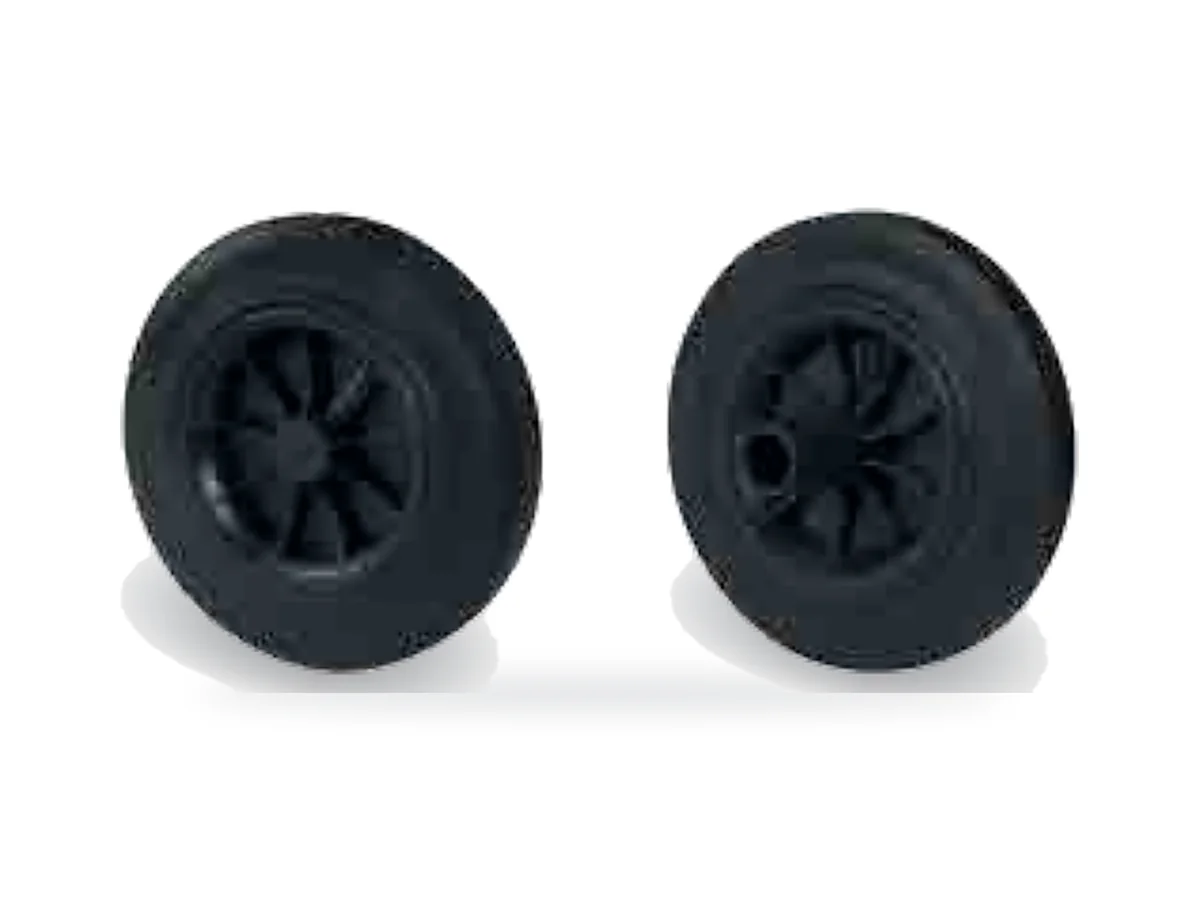
Never skip samples on a new specification. Fit them to a real bin, load it, and roll it over your roughest ground.
During the trial, check that wheels turn freely, clips seat fully and castors swivel and brake as expected. Then approve the sample in writing.
After approval, the parts supplier should build every batch to that sample. Some buyers also keep one approved sample on file, so later deliveries can be compared side by side.
4. Which Finish Standards Does It Follow?
Finishes cause more disputes than any other detail. Zinc plated, for instance, can mean a thin cosmetic layer or a thick protective one.
So name the standard on the order. ISO 19598 covers zinc coatings with Cr(VI)-free treatment, including minimum thickness and corrosion resistance. By contrast, the 2025 edition of ISO 2081 covers zinc treated with solutions containing Cr(VI).
Ask for salt spray results as a batch check too. However, remember that ISO 9227 says salt spray methods are not meant for predicting long-term corrosion resistance or for ranking materials.
Our guide to zinc plating versus stainless steel explains these choices in more depth.
5. What Inspection Papers Come With Each Order?
For steel parts such as axles, ask for an inspection document under EN 10204. According to this EN 10204 summary, a type 2.2 report gives non-specific test results from the manufacturer.
A type 3.1 certificate goes further. It reports specific test results and carries the approval of an inspector who works independently of production.
For the most critical orders, a type 3.2 certificate adds a second sign-off from the buyer's representative or an official inspector. That costs more, so use it where the contract needs it.
| Type | Test results | Approved by |
|---|---|---|
| 2.2 | Non-specific | Manufacturer |
| 3.1 | Specific to the batch | Independent factory inspector |
| 3.2 | Specific to the batch | Plus buyer or official inspector |
6. Does the Parts Supplier Run a Quality System?
A quality management system keeps every batch consistent. ISO 9001 is the best-known standard, and it sets requirements for a system that helps an organisation deliver products that meet customer and regulatory needs.
Certification alone does not guarantee good parts, of course. Still, it shows that the factory keeps records, traces batches and handles complaints in a structured way.
So ask how the parts supplier traces a batch from raw steel to finished part. A clear answer usually means a well-run factory.
7. Which Incoterms Rule Applies?
A price means little until you know where it ends. The ICC publishes the Incoterms rules, and the current edition, Incoterms 2020, took effect on 1 January 2020.
As the Incoterms article summarises, the 2020 edition defines eleven rules. Under EXW, the buyer takes on nearly all costs and risks from the seller's premises.
Under FOB, the seller loads the goods onto the buyer's vessel, and the buyer pays onward costs. CIF, by contrast, has the seller pay freight and insurance to the destination port.
At the other end, DAP has the seller deliver ready for unloading, while DDP adds import duties to the seller's side. So compare suppliers on the same rule, or convert each quote to a full landed cost.
8. How Does the Parts Supplier Pack and Ship?
Parts can leave the factory perfect and still arrive damaged. So ask how the parts supplier packs each part type.
- Wheels: stacked or boxed so treads and hubs do not deform.
- For axles, ask for tight bundles with protected ends, because a dented end will not take a clip.
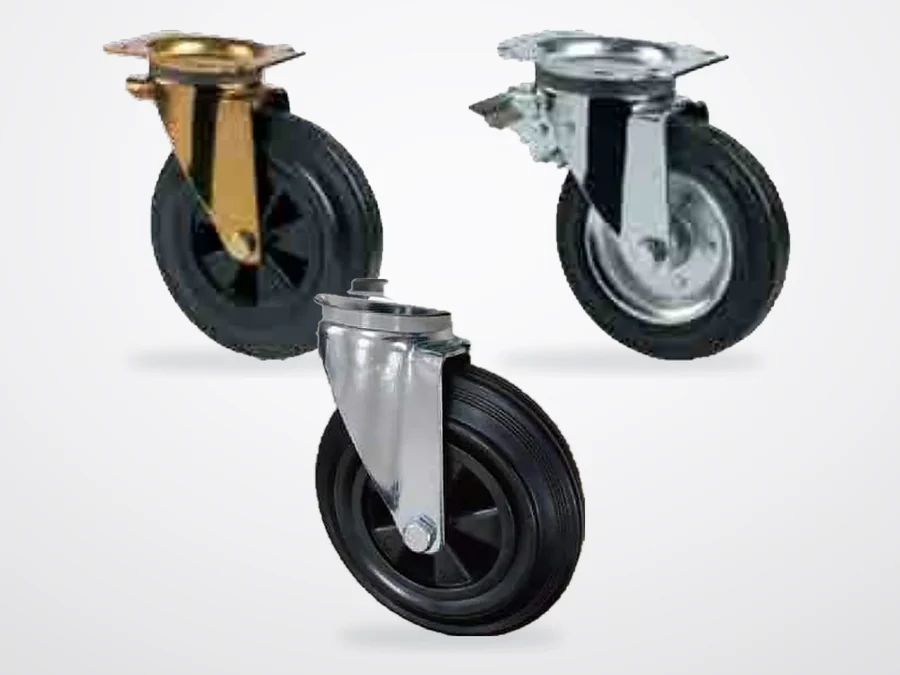
- Castors should travel boxed in sets, so brakes and swivels stay undamaged.
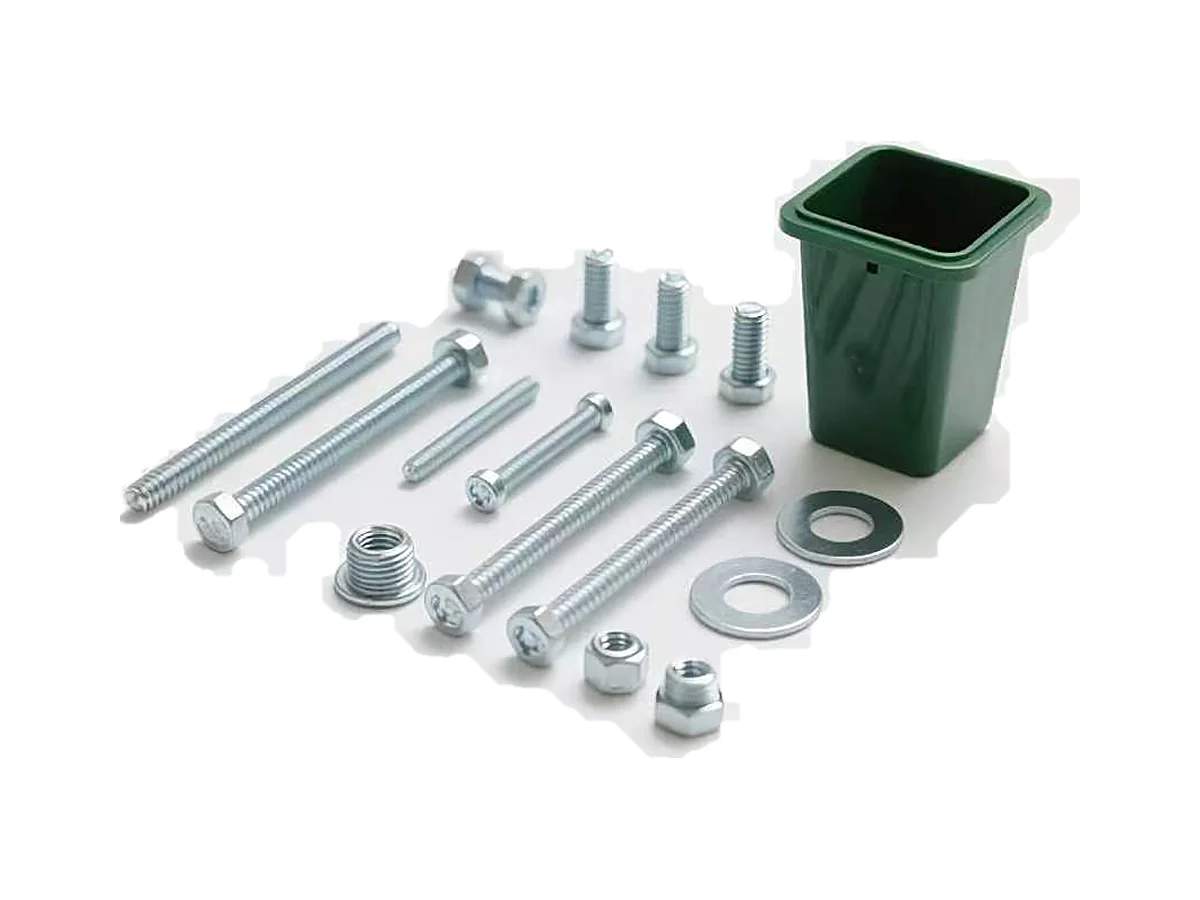
- Fasteners need sealed bags or boxes labelled by size and finish.
Also ask about moisture protection on long sea routes. Plated parts sitting in a humid container for weeks can show white marks.
9. How Fast Does It Respond?
Speed of reply tells you a lot about a parts supplier. A factory that takes a week to answer a simple question rarely moves faster when a problem appears.
We aim to reply within 12 hours with a quote or a clear question. That pace matters most when a bin line waits for a missing part or a council needs spares before collection day.
Also check who answers. A technical contact who can read a drawing saves many rounds of emails.
Put the Checklist to Work
Use the nine checks as a scorecard when you compare each parts supplier. Then follow the same order for every new specification.
Start with a trial order before you commit a full year's volume. That way, you test packing, delivery and paperwork as well as the parts themselves.
Our wheel range, axle range and castor range show the parts we make, and each product page lists the specifications we can confirm.
Questions to Ask a Parts Supplier on the First Call
A first call with a new parts supplier sets the tone for the whole relationship. So prepare a short list of questions and note the answers.
- Which bin models and sizes do your parts already fit?
- Can you work to our drawing, or measure a sample we send?
- How long do samples take, and what do they cost?
- Which finish standards and inspection papers can you provide?
- What lead time do you quote for a full container?
Listen for specific answers. A strong parts supplier gives figures, names standards and asks questions back, while a weak one stays general.
Then follow up in writing. A short email that repeats the answers turns a friendly call into a clear record.
Building a Long-Term Parts Supplier Relationship
The cheapest quote rarely stays the cheapest over five years. Instead, the real savings come from a parts supplier that gets things right every time.
So share your forecasts early. When the factory knows your volumes for the coming months, it can plan steel, plating and moulding, and your lead times shrink.
Also, review quality together. A short report after each delivery, with any faults and photos, helps the factory fix problems at the source rather than at your depot.
Finally, keep one point of contact on each side. Clear ownership stops small issues from falling between departments.
Comparing a Local Distributor With a Factory Parts Supplier
Some buyers order through a local distributor, while others buy straight from the factory. Both routes have their place.
A local distributor holds stock nearby and can deliver small quantities quickly. That suits councils that need a few hundred spares at short notice.
A factory parts supplier, on the other hand, suits bin makers and large programmes. It offers drawings, custom finishes and container volumes at factory prices.
Many fleets combine the two. They buy their main volume direct and keep a local stock for emergencies.
Plan Lead Times and Stock
Lead time covers more than production. It includes sampling, plating, packing, sea freight and customs clearance, so the total often runs much longer than the factory time alone.
Because of this, plan orders around your busiest season. Bin makers usually need parts before spring contracts start, and councils often order spares before winter.
Also keep a safety stock. A few weeks of common wheels, axles and castors on hand protects your line or your fleet if a shipment runs late.
Finally, review the stock level every quarter. Usage changes as fleets grow, and the right buffer last year may run short this year.
Red Flags When Choosing a Parts Supplier
- No drawings: the supplier will not confirm sizes in writing.
- Refusing samples, or charging for them without explanation.
- Vague finishes: zinc plated with no thickness or standard.
- Missing papers, with no inspection documents for steel parts.
- Unclear prices that leave the Incoterms rule unstated.
Any one of these deserves a direct question. Two or more usually mean you should keep looking.
Castor Standards to Mention
For castors, add one more reference. ISO 22883 sets requirements for castors and wheels on manually pushed or power-towed industrial equipment up to 1.1 m/s, or 4 km/h.
Mentioning it shows the parts supplier that you expect tested, documented castors rather than generic ones. It also gives both sides a shared language for load and performance questions.
For four-wheel containers, our castor guide explains wheel sizes, hubs and brakes in detail.
Key Terms Explained
- OEM
- Original equipment manufacturer. Here it means parts made to a bin maker's own drawing or branding.
- MOQ
- Minimum order quantity: the smallest batch a factory will produce for one specification.
- Incoterms 2020
- Eleven trade rules from the International Chamber of Commerce that split costs and risks between seller and buyer.
- EN 10204 3.1
- An inspection certificate with specific test results, approved by an inspector independent of production.
- First article
- The first parts from a new production run, checked against the drawing before the rest of the batch continues.
Choosing a Parts Supplier: Questions and Answers
What should I ask a bin parts supplier first?
Ask which bins the parts fit, whether the factory works to your drawing, and whether it supplies samples. Those three answers rule out most unsuitable suppliers quickly.
Should I buy FOB or DDP?
It depends on your logistics. Under FOB, you arrange the sea freight; under DDP, the seller handles almost everything up to your door, including import duties. Compare the total landed cost.
What documents should come with an order?
Expect a commercial invoice, a packing list and the transport documents. For steel parts, also ask for an EN 10204 inspection document and the plating specification.
How do I compare two suppliers fairly?
Send both the same drawing, ask for the same finish standard and the same Incoterms rule, and test their samples on your own bins.
Sources
- ISO: ISO 9001:2015, quality management systems
- ISO: ISO 22883:2004, castors and wheels up to 1.1 m/s (4 km/h)
- NSAI Standards: EN 840-5, performance requirements and test methods
- ISO: ISO 9227:2022, salt spray tests
- ISO: ISO 19598:2016, electroplated zinc with Cr(VI)-free treatment
- ICC: Incoterms 2020 rules
- Wikipedia: Incoterms, encyclopedia article
- Wermac: EN 10204 inspection document types
- iTeh Standards: EN 840-1:2020, 2-wheel containers up to 400 l
- NSAI Standards: BS EN 840-6, safety and health requirements
- ISO: ISO 2081:2025, electroplated zinc with Cr(VI) treatments
Product figures come from the Plastic MGB catalogue. Our editorial standards explain how we check facts and fix mistakes.